


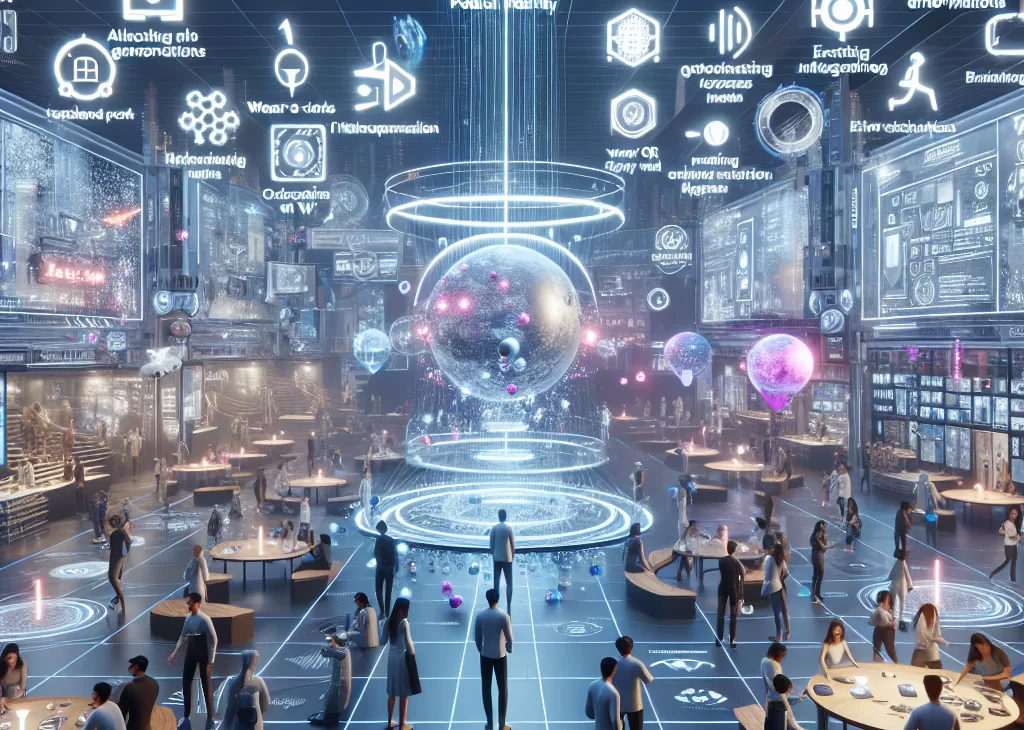
Immersive brand storytelling is reshaping how I connect with customers by using 3D tools like AR, VR, and MR. These technologies build interactive spaces that move beyond traditional campaigns and spark lasting emotional connections. In this guide, I break down how to build strong narratives, design user-friendly experiences, measure success, and overcome obstacles in a fast-moving digital marketing space.
Immersive Brand Storytelling: Revolutionizing Customer Engagement through 3D Experiences
I’ve watched immersive storytelling change how brands communicate. With VR, AR, and MR, I place users directly inside digital spaces where they don’t just observe—they participate. These tools build meaningful connections by letting people interact with a brand’s products, values, and personality in real time. The result? A deeper bond that entertains while driving loyalty and action.
How 3D Experiences Elevate Brand Interaction
- Brands build interactive environments with AR, VR, and MR that invite users into their stories. This approach creates far more emotional engagement than standard ads or flat content.
- Tools like virtual try-ons and product previews at home, as used by Nike and IKEA, raise engagement and boost satisfaction. As Harvard Business Review points out, AR tools often lead to higher conversion rates than regular ecommerce layouts.
- Insights from McKinsey & Company show that immersive 3D content increases brand recall and encourages sharing across social media, expanding reach organically.
The Future of Emotional Brand Connection
As technology grows, my ability to tell richer, more emotional stories expands. Mixed reality platforms are opening new doors for connection and strategy. I stay competitive by building immersive campaigns inspired by early adopters and forward-facing trends, including techniques linked to the metaverse.
Today’s consumer expects immersive experiences. AR and VR content aren’t extras anymore—they’re must-haves for any brand aiming to leave a mark.
Crafting a Strong Narrative and Designing Interactive Experiences
To build effective brand narratives, I always start by tying stories to a brand’s identity. Every visual, sound, and interactive feature needs to reinforce a core message. When users experience these components in familiar, inspiring ways, they start seeing themselves as active characters in the brand’s story.
Adding 3D branding or AR elements increases the depth of engagement. I use clickable objects, timed animations, and responsive features that hand control to the user. For example, someone in a sneaker store virtual experience might zoom in for a full 360-degree look or test-fit shoes using AR. The more natural the interaction feels, the more likely users are to return.
Key Elements for a Memorable Interactive Experience
- I offer a simple, low-friction start—often with a brief tutorial or prompt to guide newcomers.
- Navigation must be intuitive and clean, with visuals that never overwhelm.
- Adding touchpoints like hotspots or animations rewards curiosity and keeps users moving forward.
- Story-driven prompts like branching decisions give users power and deepen emotional investment.
- With tools like Unity and Unreal Engine, I blend visual quality with real-time interaction. Ecommerce platforms like Shopify AR and Amazon Sumerian simplify building drag-and-drop 3D experiences.
User feedback is vital. I monitor real-time behavior and post-session surveys to catch friction points. Fine-tuning layout, text, or features based on this data helps me increase satisfaction with each update.
If you’re planning to create an immersive brand experience, I recommend reviewing insights from McKinsey’s “Immersive Storytelling” report. Great experiences grow from strong storytelling paired with user-first design. Nike and IKEA show how this mix boosts relationships and performance. If you’re aiming higher, explore metaverse case studies like interactive launches or gamified shopping. Those aren’t far-fetched—they’re becoming standard.
Evaluating Impact and Navigating Challenges in 3D Storytelling
To measure storytelling success, I review direct performance metrics. I track how long users stay, what they click, how often they return, and what they remember. My analytics tools show me usage patterns and which features earn attention.
A/B testing plays a big role in refining the experience. I compare different visuals, interaction models, and storylines to learn what connects best. This method ensures the message stays sharp and your audience keeps engaging.
Key Challenges and Forward-Looking Trends
- Hardware limitations are a common issue—some users can’t access high-end AR or VR tools.
- Stable broadband or 5G is essential for loading large 3D files, which may not be available for all audiences.
- High production costs make it crucial to budget from day one.
- Accessibility across devices is non-negotiable. I ensure compatibility with phones, tablets, laptops, and headsets, following interface standards closely.
- AI-driven personalization improves user experience and ensures each viewer gets a tailored interaction.
Looking ahead, faster internet through 5G and growing metaverse platforms will help me deliver smoother group experiences. For deeper insights, I reference materials like this guide to metaverse marketing strategies. These tools constantly evolve, and staying informed lets me build lasting engagement with every launch.