

AI-driven search is rapidly fragmenting the web by shifting user behavior away from traditional search engine result pages toward AI assistants, social platforms, and specialized communities. This diversification challenges conventional SEO methods, requiring professionals to adapt strategies for visibility across multiple distinct platforms and AI engines.
Key Takeaways
- User search patterns now favor AI assistants, dynamic social platforms, and trusted communities for fast, context-rich answers over traditional SERPs.
- AI engines use unique retrieval systems and trust models, resulting in fragmented and inconsistent brand visibility across platforms.
- Citation overlap between AI-powered search tools can be less than 50% for identical queries, making multi-platform presence essential.
- Effective SEO now involves optimizing structured data, building consistent brand identity, and tailoring content for various AI and social search engines.
- Proactive monitoring and ongoing adaptation to evolving search behaviors are critical for maintaining a strong web presence in a multi-engine ecosystem.
How Search Behavior Is Rapidly Changing
Search patterns have shifted sharply in recent years, challenging traditional SEO playbooks. I see users sidestepping classic search engine result pages, gravitating more toward AI assistants, dynamic social platforms, and trusted communities for quick answers. The expectation for immediate, context-rich responses shapes every click and query.
Why Users Are Choosing Alternative Search Avenues
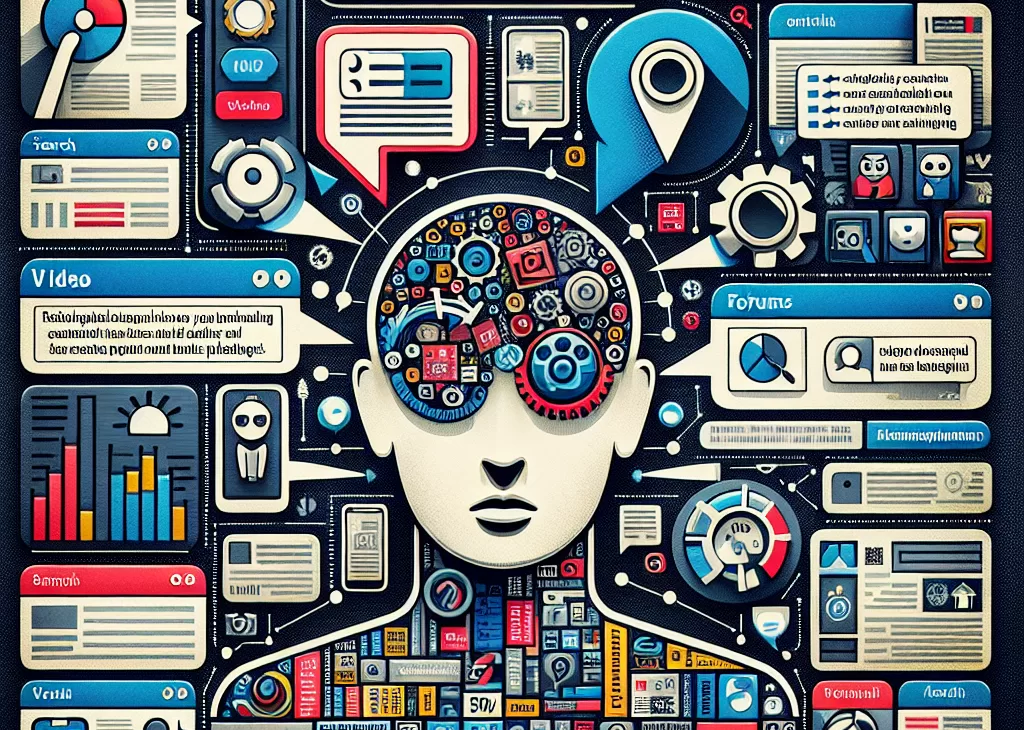
This shift away from conventional SERPs isn’t accidental. I’ve noticed more people asking complex questions directly inside AI chatbots or browsing TikTok, Reddit, and niche forums for recommendations and insights. These platforms filter out noise, offering direct, conversational, and oftentimes video-based responses. Consumers have grown comfortable with receiving spoken or generated responses rather than clicking through endless blue links. Recent consumer surveys have underscored this trend, revealing a clear and growing preference for AI-generated answers over traditional link-based results, especially for informational queries.
As AI assistants integrate deeper into daily life, search intent disperses across more destinations. Each of these—be it a chatbot, a social feed, or a focused community—interprets queries with unique ranking logic. This proliferation has forced me to rethink my own approach to multi-engine SEO. I have to analyze where my audience turns for answers, how those engines rank information, and how my brand can stay visible across diverse platforms.
Adapting to Multi-Engine Search Behavior
For any SEO professional, adapting to this distributed search intent calls for flexible and proactive tactics. It’s no longer enough to focus solely on Google rankings. Here are strategies I use to keep pace with shifting search behavior:
- Prioritize optimizing content for AI-powered answer engines, with special attention to structured data and entity-level clarity.
- Establish and maintain brand presence on major social platforms and community forums, ensuring brand consistency and authority.
- Monitor how different engines interpret and rank similar queries so I can adjust copy and content formats for each.
Leveraging insights about how AI engines select and cite answers is crucial. Comparative studies reveal citation overlaps between AI-powered search engines often drop below 50% for identical queries, risking inconsistent brand exposure. To navigate this, I build robust cross-platform strategies—making sure my content stands out and gets cited whether answers are generated by ChatGPT, surfaced on TikTok, or debated in niche forums. If you want to better understand the fusion of AI-powered assistants and search, the resource on personalized multimodal AI search provides further perspective.
Consumer search habits will keep evolving, and I stay ahead by rethinking my strategies for every major platform where users hunt for answers.
Why AI Engines Produce Different Answers
Every AI search engine uses its own mixture of indexes, unique retrieval systems, and trust models to select which information appears for a query. This means that an answer from one AI search tool will often differ significantly from another, even when users submit identical queries. I focus on how these distinct foundations create a fragmented landscape for brands and content creators.
How Retrieval Systems Differ
Each engine’s retrieval system works a bit like a personal curator. Some engines pull from live, web-crawled indexes, while others stick to static knowledge bases or emphasize trusted sources they’ve pre-selected. These differences make it almost impossible for brands to guarantee the same presence everywhere.
Impact on Brand Visibility
Citation and brand visibility patterns highlight these inconsistencies. For instance, comparative studies consistently demonstrate that citation overlap between AI engines can be under 50% for the same search query. This means half of the mentions your brand earns with one AI system might not translate to another at all.
Maximizing Visibility Through Strategy
Given these gaps, I recommend reading about AI-powered personalized multimodal search to better understand how engine-specific indexing influences your online visibility.
If I want my content and brand to stand out across this fragmented environment, I have to embrace a multi-engine SEO strategy that treats each AI engine as its own unique landscape. By studying how retrieval systems and trust models work, I can predict which types of citations and mentions will earn traction across platforms—and which won’t show up at all. This understanding anchors my approach and gives me an edge as AI-driven answers reshape the web.
How SEOs Must Adapt to a Fragmented Search Ecosystem
AI search fragmentation has changed my approach to digital visibility. I can’t focus only on Google rankings anymore. Users increasingly turn to AI assistants, niche engines, and social platforms for immediate answers. Traditional SEO, which centered on optimizing for one dominant search engine, now falls short in a landscape where search behavior is splintered across varied touchpoints.
Expanding Reach: Beyond Google to AI Assistants and Social-as-Search
To thrive, I’ve broadened my strategies far beyond Google SERPs. AI assistants like ChatGPT, Bing Copilot, and Alexa answer questions right in the chat, using data not always sourced from the classic web index. Social platforms—Reddit, TikTok, YouTube—now serve as search engines, especially among younger audiences. I focus on ensuring my brand remains visible by:
- Optimizing content for popular AI assistants and ensuring structured data supports machine understanding.
- Building a consistent presence on platforms users treat as search—think Pinterest, Quora, or Instagram reels.
- Using unique hooks that stand out in AI-generated summaries and short-form videos, not just traditional snippets.
- Monitoring search behavior analytics across platforms to catch shifting preferences.
That multi-engine search reality demands vigilance—AI generates answers from new and varied indexes, each with its own retrieval logic.
Entity Optimization, Brand Consistency, and Multi-Platform Citation
I’ve seen first-hand that brands optimizing for structured entity data are cited more often by AI systems. A unified identity across platforms boosts credibility in disparate AI indexes. To achieve this:
- I maintain up-to-date entity optimization using schema, Wikidata, Google Knowledge Panels, and social profiles.
- Messages, logos, and value propositions stay consistent, regardless of where or how users discover my brand.
- Regular audits make sure all references, mentions, and business facts are accurate—especially on high-traffic sites where AI engines pull their knowledge.
Comparative studies highlight that citation overlap between AI engines can dip below 50% for the same query, making cross-platform consistency critical. Brands maintaining visibility across several engines get cited more frequently, supporting a resilient AI visibility strategy.
Presence across multiple search touchpoints doesn’t just improve citation rates. It builds an authoritative brand profile AI systems repeatedly reference. That’s why leveraging multi-engine SEO and adapting to the rise of AI in SEO pays off, positioning me ahead as AI search further fragments.