


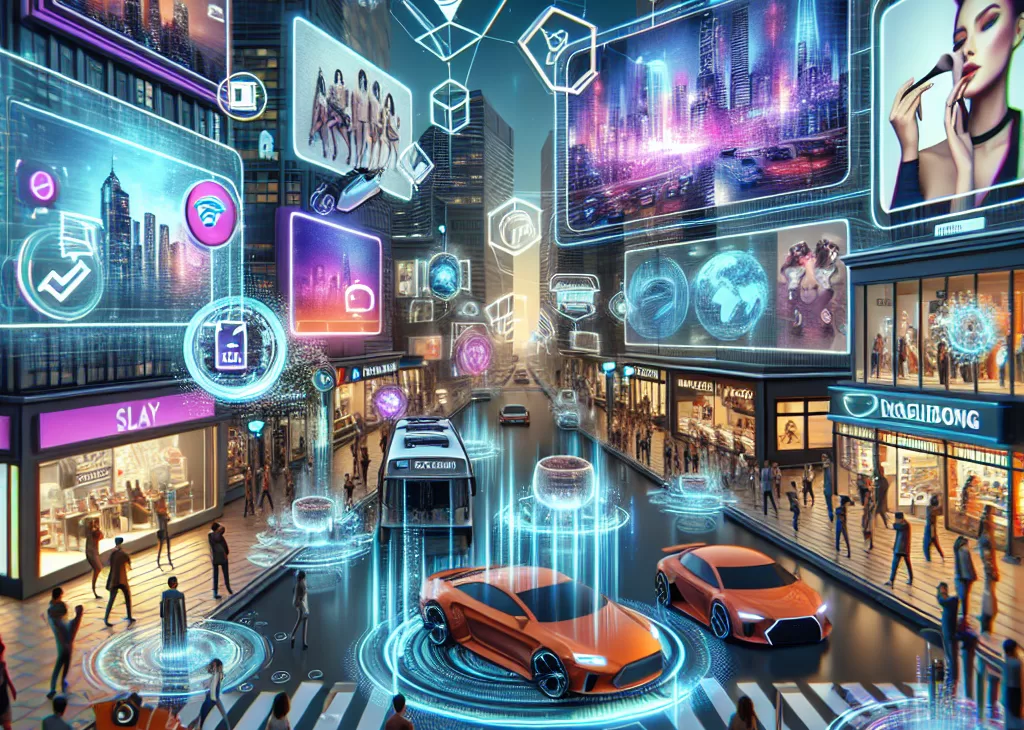
3D advertising is rapidly transforming digital marketing by delivering interactive, immersive experiences that deepen customer engagement and improve product comprehension.
Revolutionizing Engagement: How 3D Ads Outperform Traditional Formats
3D advertising redefines static promotions. These ads pull users in with interaction that drives deeper focus and longer attention spans. I’ve seen 3D campaigns hold user attention ten times longer than standard banner ads, giving brands more chances to stand out and stick in people’s minds.
Flat ads often fail to excite or inform. The interactive nature of 3D ads helps build stronger customer relationships and boosts retention through every click and swipe.
What the Market Says About 3D Advertising
This isn’t just hype. Industry analysts project the 3D display market will soar to $112.9 billion by 2025 as more marketers push for high-engagement formats.
Forrester reports show that over 45% of consumers say 3D ads help them grasp what the product offers. That deeper understanding turns into:
- Higher brand recognition
- Stronger customer loyalty
- Better conversion numbers
Recommendations for Marketers
I strongly recommend using 3D ads to boost interaction—on social platforms, in-app, or through AR product showcases.
Today’s tools make it easier to publish rich, interactive campaigns that make your message stand out.
Want to explore how to craft powerful stories with 3D and AR? Check out my detailed guide on building immersive brand narratives: Immersive Brand Storytelling.
The Benefits and Technologies Behind 3D Advertising
3D ads put users right at the center of the experience. They extend interaction time and drive high engagement, especially when compared to standard static ads. Because of this extended attention, customers remember the brand more vividly, and marketing KPIs tend to rise across the board.
Enhanced Personalization and Engagement
Interactive 3D ads adapt to each viewer. Users can rotate, zoom, or place a virtual product in real space—helping them picture ownership. That level of control builds stronger trust and encourages purchase decisions.
Forrester found that more than 45% of shoppers better understood products after engaging with 3D ads, bringing them closer to buying.
Technologies Powering 3D Advertising
These high-performing experiences rely on several key technologies:
- VR and AR allow viewers to explore products from every angle—in their homes or fictional settings.
- WebGL and HTML5 support smooth display of 3D content in modern browsers, without delays.
- Tools like Blender, Maya, Unity, and Adobe Dimension help build and animate the content for both mobile and desktop use.
With the right workflow, these 3D ads can outshine even big-budget commercials, all while offering live, trackable performance data.
Leading Case Studies and Success Stories
Some campaigns have delivered exceptional results using 3D visuals:
- A luxury automaker ran an AR test-drive feature, leading to a 37% uptick in conversions compared to a typical mobile ad.
- A cosmetics e-store launched a 3D “try-on” ad that led to a 75% bump in product recall and doubled the number of add-to-cart events.
- An apparel brand used an AR/VR brand-building initiative, achieving a 40% lift in engagement compared to traditional 2D ads. More on that campaign here: AR and VR Brand Storytelling Success.
Challenges and Considerations
Launching these campaigns takes more effort than building standard ads. Production requires skilled designers—often with game development expertise—and tools that might stretch traditional teams.
That said, the results often justify the effort. If building customer trust, better retention, and stronger brand experiences top your list, the returns outweigh the upfront cost.
Before diving in, compare the early investment to the long-term value created by more engaged, loyal audiences. As AR and 3D formats become mainstream, falling behind may cost more than adopting now.
Challenges and Future Trends in 3D Advertising
Upgraded visuals bring real challenges: steep development costs, device compatibility issues, and longer load times. While 2D ads might run on a $10,000–$20,000 budget, an interactive 3D or AR campaign often lands between $40,000 and $100,000—especially for those adding cutting-edge features or multiple layers of interaction.
While these campaigns often generate stronger engagement, technical hiccups (like lag or unsupported devices) can quickly drop user interest.
Biggest Hurdles in 3D Advertising
- Significantly higher software and content production costs
- Devices or platforms that don’t support certain interactive formats
- Slow loading, especially over weaker mobile networks
- Limited bandwidth availability affecting content delivery
Future Trends Shaping 3D Advertising
The future of 3D ads leans on automation and smarter targeting. AI tools will boost results by adjusting elements in real time, tuned to each viewer’s behavior.
Expect more brands to explore mobile-first 3D ads as smartphones and mobile networks evolve. That means more chances to meet customers where they are—on the go.
New analytics tools will help marketers make smart decisions fast, tracking what parts of the experience move the needle most.
Long term, expect AI to do more than optimize existing content. It’ll start creating new 3D concepts based on brand goals and live campaign data. That shift is already underway, as outlined in this forward-looking guide: Future Marketing Trends for 2030.
With tech leaders continuing to invest in 3D innovation, this format is set to rise above flat alternatives—and reset expectations across digital marketing.