

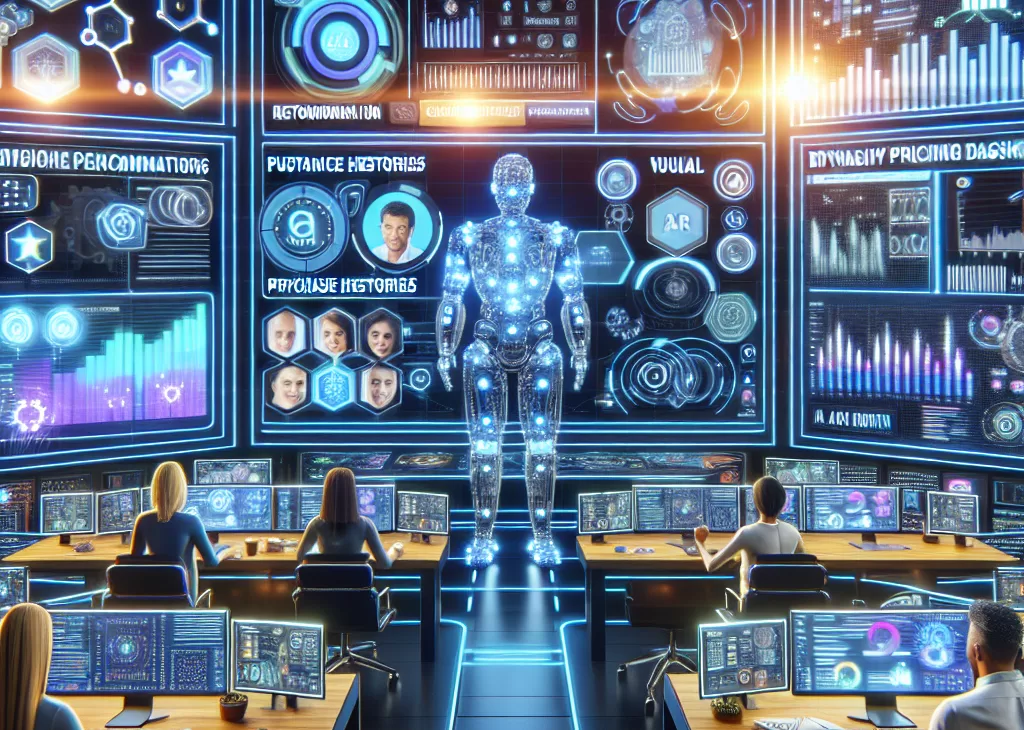
Artificial intelligence is changing how I market, fast. The surge in AI-powered tools is reshaping areas like audience targeting, content creation, and campaign performance. I see companies using AI not just to boost customer engagement but also to drive real returns across every touchpoint.
Key Takeaways
- AI tools give me real-time insights that help fine-tune audience segments and customize campaigns.
- Automation slashes manual work, boosts productivity, and lets me focus on creativity and strategy.
- Top brands like Netflix, Sephora, and Amazon have seen clear gains with better retention, stronger engagement, and increased revenue through smart AI use.
- Key tech like chatbots, machine learning, predictive analytics, and NLP now form the backbone of fast, personalized, and effective digital marketing.
- By 2030, AI tools will likely make up a large share of marketing budgets. Trends show rising use of personalization at scale, visual and voice search, and immersive digital content.
The Revolutionary Impact of AI on Marketing Strategies
The market for AI in marketing reached $11 billion in 2022 and is on track for steady growth, with a projected compound annual growth rate of 29.79% through 2030, based on Statista’s data. This expansion pushes me to rethink how I build, refine, and execute strategy.
AI in marketing gives me tools to tap into large volumes of customer data. With the right systems, I can better understand behaviors, needs, and buying signals. Traditional marketing often meant guessing or working with slow, outdated insights. AI-powered analytics change that. Machine learning algorithms look at patterns in browsing, purchase history, and even social media behavior. This lets me pinpoint the right messages for the right people faster than ever.
Marketing automation is where I see some of the fastest wins. AI systems now take care of scheduling, adapting content in real-time, and building sharp email segmentation. I don’t waste hours on repetitive tasks anymore. That time goes into smarter planning and more creative thinking. These platforms also reduce human error and improve campaign accuracy.
Hyper-personalized marketing isn’t optional—it’s expected. With AI, I send messages that feel custom-built for individuals, not vague cohorts. Whether changing subject lines based on recent site visits or switching visuals in real-time based on user behavior, AI helps me match content with intent more precisely. The result is better engagement and higher conversions.
Here’s how AI is setting a new standard for how I create and run campaigns:
Key Advantages of AI-Driven Marketing
- AI systems work through big datasets quickly and constantly, letting me discover new insights and stay ahead of the curve.
- Automation trims repetitive work, so I can invest my energy where it matters—strategy and creativity.
- With better targeting, personalization becomes more accurate, raising customer satisfaction and conversion rates.
- Real-time response to shifting behaviors lets campaigns stay sharp and cost-effective.
- Predictive models help me plan more confidently, from budget allocation to message timing.
The impact of AI in marketing goes far beyond saving time. It lets me offer experiences that are relevant, meaningful, and connected across channels. As more digital tools emerge, I consider deep use of automation and data-driven insights a must for running modern campaigns. For examples and stats from real AI use cases, take a look at The Revolutionary Impact of AI on Marketing Strategies.
Illustrative Case Studies of AI Integration in Marketing
Leading companies aren’t dipping their toes in AI—they’re using it across their business models to get real traction. Their success shows that smart automation and learning algorithms can outperform even well-established processes.
Standout Companies Leveraging AI for Impact
Some of the biggest gains in AI marketing come from brands that know how to blend data, automation, and human creativity. Their results speak for themselves:
- Netflix sets a high bar for personalization. Its AI engines study user behavior—what people watch, how long they browse, when they pause—to surface content each person is most likely to enjoy. According to Forbes, these recommendations help cut churn and save the company around $1 billion a year. The system gets smarter over time, turning browsing into binge-watching and viewers into loyal users.
- Sephora uses intelligent chatbots that rely on data and natural language capabilities to guide customers. These tools offer fast, custom advice—helping with questions, styling tips, or recommending products. Business Insider reports a 15% jump in customer interaction rates thanks to these bots. Shoppers get answers fast, which leads to quicker decisions and stronger brand loyalty.
- Amazon has turned dynamic pricing into a competitive advantage. AI tools monitor supply, demand, and competitor pricing constantly. This lets Amazon tweak prices on thousands of listings throughout the day—making sure they’re always attractive without cutting too deep into margins. The speed and scale of this system outpace anything a manual process could handle.
Each of these companies uses AI to rebuild their customer experience strategy—not just tweak it. With higher retention, improved flexibility, and lower costs, they’re setting a pace others aim to match. For more insights on where this trend is headed, including the rise of AR, voice search, and next-gen user engagement, check out my picks on future AI-driven marketing trends.
Emerging AI Technologies and Future Predictions in Marketing
By 2025, Gartner estimates AI will handle up to 80% of customer interactions. This shift dramatically redefines how I manage automation and engagement. The key tools driving today’s changes are already here—chatbots, machine learning, NLP, and predictive analytics. They’re working behind the scenes 24/7—learning patterns, responding smartly, and helping shape buying decisions.
AI Technologies Enhancing the Marketing Landscape
These essential tools help me keep up with digital expectations and deliver more effective campaigns:
- Chatbots: These digital assistants answer questions in real-time, handle thousands of queries, and work around the clock. They improve satisfaction and boost conversions by keeping support timely and relevant.
- Machine Learning: A cornerstone of modern AI, machine learning finds patterns in data I wouldn’t see manually. It improves targeting, content suggestions, and campaign tweaks in real time.
- Predictive Analytics: This tech scans past behaviors and trends to guess what comes next. I use it to spot top-performing leads and allocate ad budgets more efficiently.
- Natural Language Processing: With NLP, AI systems understand human language—tone, intent, and context. It powers smarter chatbots and helps me track public opinion through sentiment analysis.
- Hyper-personalization: AI lets me create content and product suggestions based on real-time data for each user. What once felt unreachable at scale is now doable—and expected.
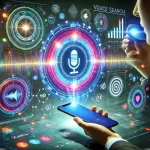
- Voice Search Optimization: Smart speakers and voice searches mean content has to match how people talk, not just how they type. I shape strategies around spoken phrases and verbal intent.
- Augmented and Virtual Reality Marketing: When combined with AI, AR and VR create rich experiences that hold attention and help buy-in—especially in retail and interactive brand demos.
Future Predictions and Impact on Marketing Budgets
Reports from McKinsey & Company and Statista suggest that AI tech could take up as much as 20% of marketing budgets by 2030. As these tools prove their worth—cutting costs and boosting results—more of my spend goes into smart campaigns and scalable systems.
Here’s what I expect to see next:
- Hyper-personalization at Scale: With stronger models and faster processing, I’ll deliver messages that update in real time based on location, behavior, and context—across every screen.
- Voice and Visual Search Domination: More users will rely on speaking or snapping photos to search. I’ll adapt content accordingly so my brand stays visible and relevant in every touchpoint.