

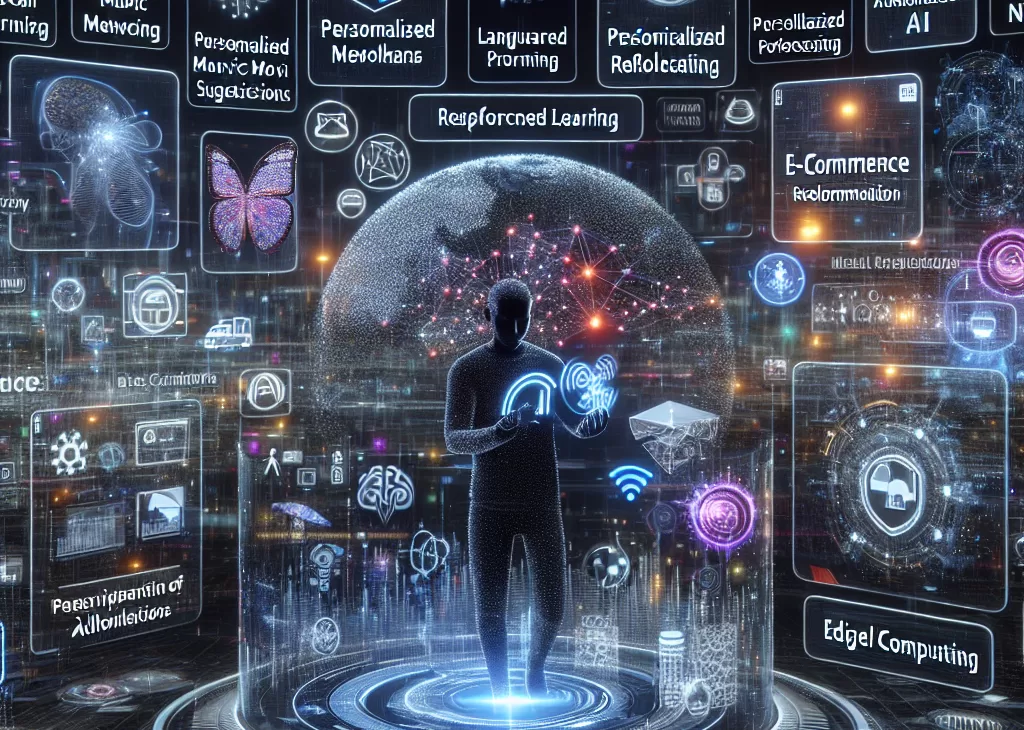
AI personalization uses machine learning, neural networks, and natural language processing to analyze behavior and preferences. It delivers custom content, recommendations, and interactions across digital platforms. By blending collaborative and content-based filtering, predictive AI, and NLP, I can craft experiences that boost engagement, drive satisfaction, and streamline operations across industries like e-commerce, streaming, and healthcare.
Key Takeaways
- AI personalization uses algorithms and data patterns to deliver individual content, product suggestions, and services.
- Techniques such as collaborative and content-based filtering power platforms like Netflix and Spotify, each following a distinct approach.
- Machine learning, deep neural networks, and NLP drive smarter marketing automation, customer support, and targeted advertising.
- Key challenges include privacy issues, securing data, algorithmic bias, and demands for transparency and ethical practices.
- Future progress focuses on reinforcement learning, device-level computing, explainability, and adapting to stricter regulations.
Understanding AI Personalization in Everyday Applications
AI personalization directly shapes my digital life. Whether I’m ordering from Amazon, watching Netflix, or discovering music on Spotify, the technology learns my behavior and adjusts content in real time. Machine learning, NLP, and neural networks analyze usage patterns, fine-tuning what I see, hear, or buy.
Netflix relies heavily on collaborative filtering. It compares my viewing habits with others who have similar preferences to suggest titles I’ll likely enjoy (“Netflix Recommendations: Beyond the 5-star rating,” by Xavier Amatriain and Justin Basilico). On the other hand, Spotify leans on content-based filtering. It inspects audio features like melody, tempo, and lyrics to serve music closer to my personal taste.
The reach of AI personalization goes far beyond entertainment. In e-commerce, platforms like Amazon build detailed user profiles and use predictive AI to suggest items I’m likely to buy. This sharpens customer segmentation and increases the precision of personalized ads. Healthcare benefits too—AI platforms assist providers with treatment options based on patient data (“Artificial Intelligence in Healthcare: Transforming the Practice of Medicine,” by Shinjini Kundu).
Key Applications of AI Personalization
- E-commerce platforms like Amazon leverage predictive AI for product suggestions and accurate customer grouping.
- Streaming services such as Netflix and Spotify use filtering techniques for curated content and playlists customized to each listener or viewer.
- Digital marketing tools apply AI for campaign automation, optimizing ads and offers through continuous feedback from user actions.
- Customer support tools get smarter with NLP-powered chatbots that respond naturally to my inquiries and offer help around the clock.
- Healthcare apps use AI to deliver reminders and treatment suggestions specific to each patient’s history and condition.
With digital marketing, I can build smarter campaigns, retarget users based on their behavior, and use analytics to improve strategies. I suggest reviewing “The Personalization Revolution” by Harvard Business Review to better understand how AI reshapes customer expectations and outcomes.
For a strategy perspective on 2024 marketing trends, I’ve found this breakdown of AI techniques especially useful: Salesforce’s AI marketing strategies. It shows how machine learning and NLP influence every contact point, from predictive engines to interactive campaigns.
The Technology Powering Personalized Experiences
Machine learning models drive AI personalization. I use systems like collaborative and content-based filtering to predict what people will enjoy next. Collaborative filtering links users with similar behavior patterns—Netflix excels at this. According to Amatriain and Basilico, this approach lets the platform recommend what others with similar tastes prefer.
Content-based filtering looks at item features instead of user patterns. Spotify, for example, builds unique playlists around song properties, adapting frequently as my listening habits shift.
Neural networks push personalization even further. These deep learning systems read images, sound files, and user profiles to find subtle patterns. Their ability to adapt makes them essential for crafting better shopping advice or recommendation tools.
NLP transforms how I connect with users, capturing tone, emotion, and meaning. I see it at work in email marketing and AI chatbots. It’s no longer about inserting a name—NLP tailors messaging based on prior behavior and sentiment. In healthcare, Kundu’s research highlights how NLP lets virtual assistants respond to patient inquiries with relevant, timely answers.
When I combine these technologies, personalization becomes more integrated across services. Here’s how that looks in action:
- Streaming platforms: Blending collaborative and content-based filtering for better content suggestions.
- E-commerce sites: Applying predictive models to adapt product offers on the fly based on interest.
- Marketing automation: Embedding NLP in bots to improve customer support and segmentation in real time.
- Email marketing: Sending behavior-driven emails that respond to previous browsing or purchases.
To deepen my skills in these areas, I study Deep Learning by Ian Goodfellow, Yoshua Bengio, and Aaron Courville. Their work explains the theory behind real-world applications. For a practical view on where these technologies are heading, I recommend this beginner-level guide: AI marketing strategy guide for beginners.
Challenges and Future Directions in AI Personalization
AI personalization enhances advertising, content targeting, and customer experiences. But it brings several hurdles that influence how I work with data, design user journeys, and adopt new tools.
Key Challenges in Personalizing with AI
- Privacy concerns: Personalization depends on collecting and processing a lot of data. Many users worry about how this is done. Public scrutiny and stricter rules push me to be more transparent about data use.
- Data security: Protecting sensitive user data requires constant monitoring. Breaches damage trust and create legal and reputational fallout that can linger for years.
- Bias in algorithms: AI often reflects societal bias found in training data. Even widely used models can output results skewed by gender, class, or race, affecting fairness and segment accuracy.
- Lack of transparency: Complex models often don’t explain their decisions clearly. As both users and regulators demand understanding, the push for clarity becomes more important for adoption and accountability.
These issues don’t just affect model performance—they shape how I deploy personalization responsibly. If you’re unfamiliar with AI practices, I’d look into this straightforward guide: AI marketing strategies for beginners. It lays out how to apply these technologies ethically.
The Road Ahead: Innovations and Ethical Considerations
- More advanced deep learning: Updates in neural networks improve how accurately AI segments users and predicts their needs, as explained by Goodfellow, Bengio, and Courville in Deep Learning.
- Reinforcement learning: These models learn by interacting—improving pricing, product recommendations, or content flow based on real-time feedback.
- Device-side computing: Running personalization models on local devices reduces centralized data handling, improving response speed and user control.
- Greater transparency and fairness: With new testing standards and explainable AI models, I can reduce bias and make algorithm outcomes more understandable to everyone.
- Adapting to new regulations: Laws like GDPR require that I use data minimally and with consent. Following clear ethical policies protects both users and long-term business value.
As I review new tools or scale up personalization, these principles help me deliver more value without losing trust. For a closer look at upcoming tech and smart marketing strategies, I recommend diving into this guide: AI marketing strategies and future trends. It offers a helpful forecast of where innovation is heading.