

Web3 marketing strategies are transforming how I connect with consumers by shifting control away from centralized authorities, encouraging user collaboration, and leveraging blockchain to build transparency and trust. By tapping into tools like NFTs, DAOs, and immersive metaverse experiences, I create more engaging, loyal, and personalized brand interactions across decentralized digital platforms.
Key Takeaways
- Web3 gives more influence to users, placing transparency, data control, and shared value at the core of brand-consumer relationships.
- Campaigns powered by blockchain and token systems reward genuine participation and let users verify brand promises.
- NFTs unlock exclusive access, fuel community involvement, and introduce gamified experiences that reinforce digital ownership and loyalty.
- Decentralized Autonomous Organizations (DAOs) and platforms like Discord allow communities to shape content and decisions directly.
- Immersive digital spaces offer brands new ways to tell stories, deliver interactive experiences, and build memorable connections.
Web3 and Its Transformative Impact on Marketing
Web3 brings a major shift to digital marketing by moving control away from traditional platforms. In Web2, companies like Google and Facebook act as intermediaries, collecting user data and curating experiences for their own benefit. Web3 marketing breaks that model using blockchain to decentralize data and hand control to users. I guide brands in seeing this for what it is—a chance to offer true transparency. Now, users own and control their data, so any outreach must respect and support that independence.
Authenticity and Engagement Through Blockchain
With blockchain marketing, I can design campaigns that are provably authentic, fraud-resistant, and transparent. Token economies encourage users to join in, giving them a reason to engage rather than just observe.
Brands can offer digital tokens that unlock perks or allow voting in brand communities. This isn’t just about using new tech—it’s about building trust. There’s no hidden algorithm picking who sees what. Instead, engagement flows from real shared value.
Challenges and Learning Curve for Brands
These decentralized systems present some hurdles, especially for brands used to centralized tools like traditional ad platforms. Understanding smart contracts, crypto wallets, and governance tokens takes time. But I’ve found that brands willing to learn gain a much deeper bond with their audience. The view shifts—consumers aren’t just data anymore. They become key partners.
When campaigns evolve through live feedback and active input, results grow more personal and impactful.
Hyper-Personalization and User Data Control
Personalized experiences now rely on decentralized control. I use blockchain-based data access to create messages that speak directly to the user at the right time in the right way. This redefines what privacy means today.
Clear data practices show users what’s collected and what they receive in return—building strong trust from the first interaction.
Getting Started with Web3 Campaigns
If you’re exploring Web3 campaigns, start by leaning into systems that let users participate at a deeper level. Build strategies that give users a role in the content and experience, not just a place in the audience.
For examples that show how decentralized marketing plays out, read my guide on metaverse marketing strategies. In this new interconnected digital environment, both brand and user gain value, and the bond between them becomes more genuine and rewarding.
Harnessing NFTs for Enhanced Brand Engagement
NFTs offer powerful ways to build closer relationships with customers by providing exclusive digital items and experiences. I’ve seen brands use NFTs to deliver limited-edition drops, grant early access to products, and share behind-the-scenes content—giving fans a reason to feel connected and invested.
Nike’s CryptoKicks, built on blockchain, lets users verify and trade digital sneakers that tie into their physical counterparts. NBA Top Shot turned iconic game highlights into digital collectibles that fans can own and trade—changing how they interact with sports content. These aren’t just digital trinkets—they’re powerful tools that drive loyalty and open up new dialogue between brand and customer.
How Brands Are Leveraging NFTs
- Creating rare digital goods that become status signals in social platforms
- Granting entry to unique events, product launches, or hidden perks
- Inspiring user-generated campaigns tied to NFT utility
- Building loyalty programs that reward NFT holders for continued engagement
With NFTs, users don’t just follow the brand—they own part of the experience. I recommend pairing NFT releases with interactive digital spaces to expand reach and build stronger digital communities.
This approach leads to more word-of-mouth, more sharing, and deeper customer connection that keeps growing over time.
Building Communities and Experiences in Decentralized and Immersive Spaces
Brands thrive in Web3 not by broadcasting one-way messages, but by hosting vibrant, participatory communities on decentralized platforms. I help brands shift focus to platforms like Discord and Telegram, where real-time dialogue, openness, and inclusion drive genuine loyalty.
Decentralized Governance Through DAOs
DAOs, or Decentralized Autonomous Organizations, give me a way to bring users into real brand decisions. Instead of collecting feedback after the fact, I hand parts of the process over to users. With a DAO in place, I involve the community in:
- Choosing new product features
- Determining rollout plans
- Helping shape governance rules
This kind of setup turns everyday users into decision-makers—boosting connection and driving lasting loyalty.
Authentic Engagement via Discord
Chanel’s Discord strategy shows how powerful these platforms can be. By working directly with their online community to shape content, Chanel keeps its messaging relevant and collaborative. “Chanel’s Strategy in The Metaverse World” shows that this isn’t just fan engagement—it’s strategic. By handing users a real role, they build a brand that feels personal and inclusive.
Immersive Brand Experiences in the Metaverse
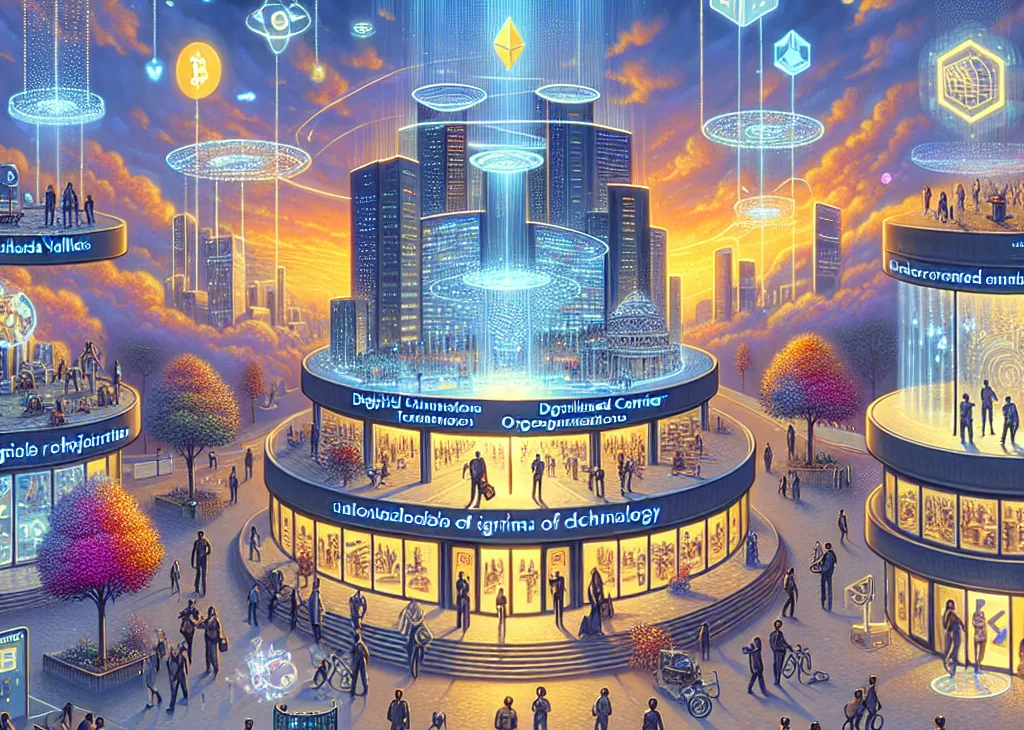
I’ve watched brands explore metaverse platforms like Roblox and Decentraland to create deeper experiences. Brands like Gucci and Louis Vuitton make great use of these environments by:
- Launching branded virtual stores
- Hosting limited-time events
- Integrating NFT campaigns
The Gucci Roblox store gave users a chance to dress up their avatars in distinct digital fashion. “Inside Gucci’s Roblox Experience” shows that these projects aren’t just about digital versions of items—they expand the story, inviting users to engage in new, meaningful ways.
Gamification and Collectibles: Louis Vuitton’s NFT Game
Louis Vuitton’s NFT game, released for the brand’s 200th anniversary, is a great example of interactive storytelling and community-building. Users step into a digital world where they:
- Collect brand-themed items
- Explore stories through gameplay
- Discover new products in ways physical stores can’t offer
“Louis Vuitton Launches NFT Game for Brand’s 200th Birthday” shows how digital experiences can turn temporary campaigns into long-term engagements. If you’re considering this path, dive into this guide on metaverse marketing to start building more engaging and participatory brand experiences in the Web3 world.