

Zero-click SEO has profoundly redefined my perspective on digital visibility and online search behavior. With most Google searches now ending without a click, I’ve had to adapt my SEO strategy to focus on where users find information—directly on the search results page.
Zero-Click SEO: Adapting to the No-Click Shift
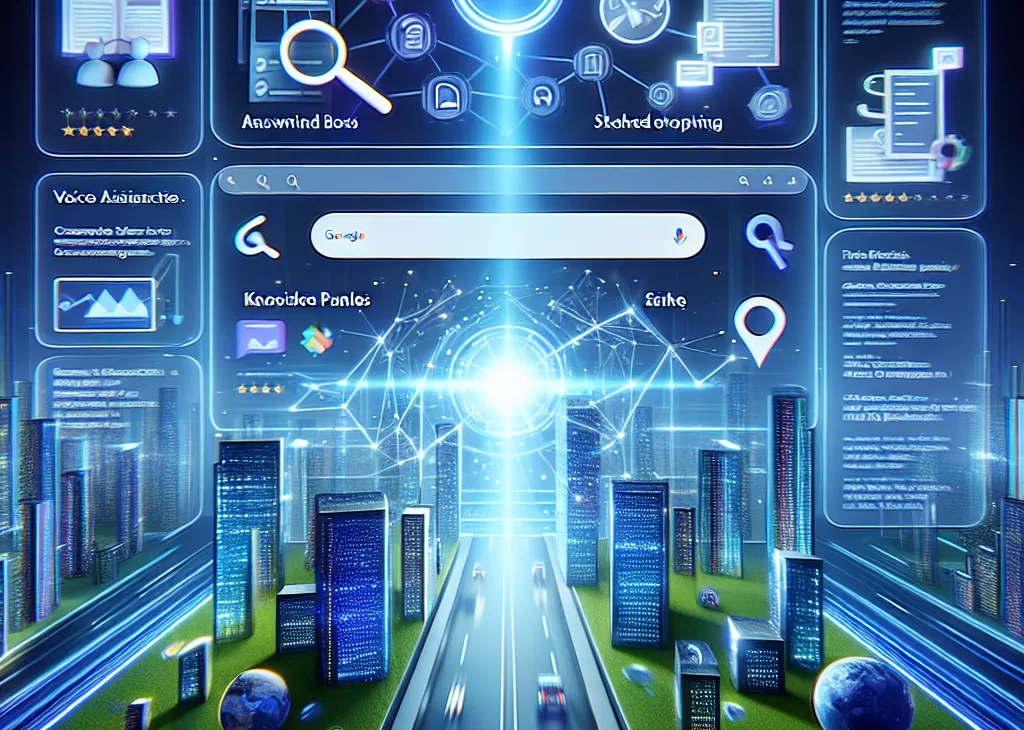
I’ve watched search take a sharp turn as zero-click searches become standard. According to SparkToro, more than 50% of Google searches in 2020 ended without a user clicking through. These zero-click results include featured snippets, direct answers, and knowledge panels that give users what they need without leaving Google.
If I stick only to old SEO habits—ranking in the top 10 or chasing more traffic—I overlook a critical piece. Today, I optimize content with zero-click features in mind. That means writing for real questions and making the answers easy to find right away. Success lies in being visible directly on the results page.
Why Zero-Click SEO Deserves Attention
Zero-click SEO reflects how users behave and how Google responds. Search results now often include AI-driven summaries, local data, and real-time updates. I track what’s changing—like the most recent algorithm updates featured in this breakdown from Google—so I can stay competitive.
Adjusting Strategy for No-Click Results
To succeed in today’s search landscape, I use specific strategies:
- Write brief, accurate answers to the most common queries.
- Add structured data—especially schema markup—so Google understands my content’s format and intent.
- Include clear summaries early in the content to match query expectations fast.
- Routinely refresh and rework content to reflect timely information.
Any well-prepared site—including smaller ones—can earn featured spots when content is optimized well. As zero-click results dominate, I focus on visibility—even if no one ever clicks through.
Creating Content for High-Visibility SERPs
Ranking alone doesn’t cut it anymore. I aim for attention-grabbing formats like answer boxes and highlighted snippets, which help with brand recognition and authority. These spaces reach users immediately, often before they scroll.
Adding Schema Markup Where It Counts
Schema markup helps Google interpret content and present it attractively. I apply formats like FAQ, HowTo, or review schema so search engines can turn my content into enhanced listings. This increases visibility in features tied to voice search and AI-powered results.
Optimizing for Featured Snippets
To earn a spot in featured snippets, I focus on more than just keywords. I:
- Pinpoint common questions relevant to my audience using the “People Also Ask” section for ideas.
- Place a clear answer right at the top, often within the opening paragraph.
- Rely on structured formats like bullet points, numbered lists, or tables—formats Google prefers when displaying steps or data.
Tools like entity-based content optimization further improve how search engines view my authority. I combine these with schema and question-based layouts to increase my chances.
Switching from Old-School SEO to Zero-Click
Traditional SEO focused on page rank and clicks. I’ve shifted focus to making content that stands out in search features. That means:
- Using clear subheadings and structured content for readability and fast indexing.
- Updating posts regularly to answer fresh search intents and reflect new trends.
- Expanding schema use to show up in features like Google’s “Things to Know” and Knowledge Panels.
With zero-click results now outpacing regular search clicks, visibility in SERP features keeps my brand front and center—even if users never reach the site.
I keep refining based on what Google rewards in AI-generated and fast-answer experiences. This helps me build both trust and recognition, keeping my content competitive and discoverable.
Boosting Local SEO and Measuring What Matters
Local SEO has become even more important now that zero-click searches dominate. People often don’t visit a website when they search for nearby businesses—they get the info they need from Google’s local pack or business listings. I make sure everything from hours to reviews is current because that’s what drives action.
How I Keep Local Listings Accurate
Optimized local listings can put me ahead—even if my competition has a nicer website. I double-check these details often:
- Correct business information (name, address, phone)—no discrepancies.
- Updated business hours, including special dates or changes.
- Clear, appealing photos and accurate service descriptions.
- Real-time responses to customer reviews.
- Regular Google My Business “Posts” for events, offers, or updates.
A study by BrightLocal says that 64% of consumers use Google My Business to find contact info. That alone shows how valuable a polished profile is—even when users never visit my site.
Tracking Results When Users Don’t Click
Old SEO metrics like CTR don’t tell the full story anymore. To truly measure impact in a zero-click environment, I monitor:
- Impressions from local packs or knowledge panel placements.
- Mentions of my brand in reviews and discussions.
- Search-related actions like clicks to call or requests for directions.
- Visibility data from Google Search Console and local SEO tools.
I put effort into keeping my brand noticeable—even if it’s just for a second. Understanding how tech like machine learning influences search helps me stay visible. Staying on top of zero-click trends ensures I stay seen, remembered, and relevant—even if users leave satisfied right from the results page.